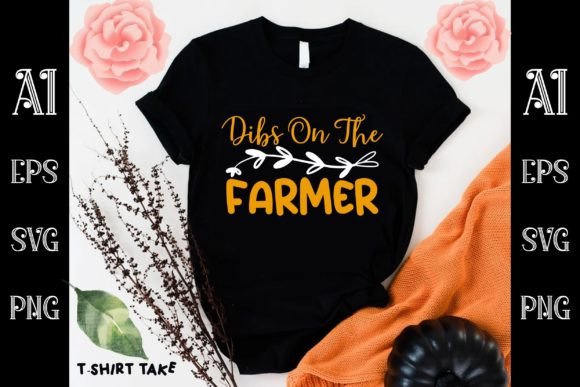
Dibs on the Farmer: A Designer's Real-World Review
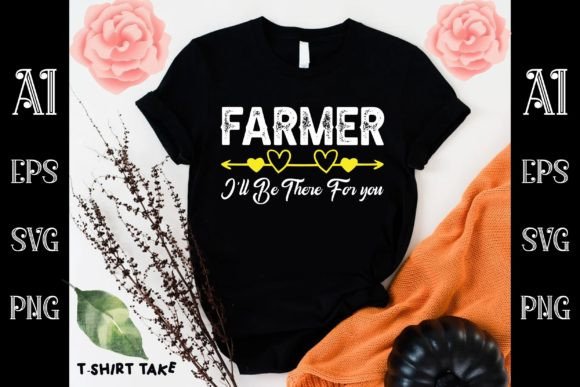
When I first opened the file for Dibs on the Farmer, my initial reaction wasn't about the technical specs or the stitch count. It was about the vibe. There is a specific kind of warmth that comes from rural-themed graphics, and this design captures it perfectly. As someone who has spent years evaluating machine embroidery designs for both personal hobby projects and commercial boutique lines, I look for more than just a pretty picture; I need to know how it translates from a screen to a needle.
The mood here is playful yet grounded. The layout suggests a casual, friendly personality that fits naturally into the world of handmade goods. Whether you are an Etsy seller looking for a unique listing or a crafter making a gift for a family member who loves agriculture, Dibs on the Farmer offers a visual hook that feels authentic rather than generic. It avoids the overly complex details that often get lost in stitching, opting instead for a clean aesthetic that promises clarity when executed.
Bringing the Design to Life: A Practical Scenario
Let me walk you through a real-life situation where I tested this design concept. Imagine you are preparing for a local craft fair next month, and you have decided to create a line of custom aprons for home cooks and gardeners. You want something that speaks to the "farm-to-table" movement without being cliché. This is where Dibs on the Farmer shines.
I visualized applying this design to a heavy-duty canvas tote bag and a denim work shirt. The shape of the graphic allows it to sit comfortably on the chest area of a sweatshirt or centered on the pocket of an apron. When I thought about the customer reaction, I imagined a parent buying a personalized baby onesie for a nursery theme, or a boutique owner stocking a small shop product with a rustic branding feel. The design has enough character to stand alone as a statement piece but remains simple enough to be part of a larger collection.
For a holiday gift, placing this on a kitchen towel could add a touch of humor and charm to a hostess present. It bridges the gap between a serious agricultural tribute and a lighthearted joke, making it versatile for various occasions like weddings, anniversaries, or simply a birthday for the farmer in your life. The potential for a finished product to feel high-value increases because the design communicates a story before the customer even reads the text.
Performance on Different Fabrics and Garments
Not all embroidery files perform equally well across every fabric type, and understanding these nuances is crucial for maintaining professional standards. Dibs on the Farmer appears to handle standard cotton blends and twill very well. The density of the stitches seems balanced, which means it should lay flat without puckering on medium-weight fabrics like t-shirts or tote bags.
However, there are areas where caution is required. If you are working with stretchy fabric, such as a thin jersey knit or a performance sweatshirt material, you must use the proper stabilizer. Without adequate backing, the tension of the satin stitch or fill stitch could distort the garment over time. Similarly, if you plan to use this on a textured fabric like a thick wool coat or a rough burlap sack, the detail might not register clearly. The needle needs a solid surface to penetrate, and too much texture can hide the definition of the design.
For curved surfaces like caps or hats, the curvature of the design needs to be considered. While many modern machines can adapt to curves, a design with sharp corners or dense lettering might look distorted if the hoop doesn't accommodate the curve perfectly. In these cases, testing on a scrap piece of the same fabric is non-negotiable. I also advise checking how the design looks on dark fabric versus light fabric. High contrast thread colors are essential here to ensure the message isn't lost against a navy blue or black background.
Navigating Technical Challenges
One of the most common pitfalls in commercial embroidery is ignoring the limitations of small hoop sizes. If you intend to make tiny embroidered patches or embellish a baby item with limited space, you need to scrutinize the smallest details in Dibs on the Farmer. Tiny lettering or intricate decorative accents can sometimes merge together if the stitch density is too high for the available space. Before committing to a production run, inspect the design in black and white mockups to see if the negative space holds up.
Another critical factor is the washability of the final product. For items like aprons or tea towels that will undergo frequent washing, the stability of the stitches is paramount. If the design relies heavily on long running stitches without sufficient support, they may snag or unravel after a few cycles. Always confirm whether the design includes necessary underlay stitches to anchor the threads securely. For products that need to withstand heavy wear, such as workwear or outdoor gear, ensuring the design is robust is key to maintaining customer trust.
Design Assets for Creative Entrepreneurs
For those of you building a brand around handmade goods, the visual appeal of your design assets plays a huge role in buyer engagement. Dibs on the Farmer has a distinct personality that can enhance your brand consistency. When you present this design in printable mockups or digital previews, it conveys a sense of professionalism and care. Customers are more likely to invest in a personalized gift if the presentation looks polished and the design feels intentional.
This design works exceptionally well for custom apparel lines targeting niche markets. Whether you are creating a collection for a farm-to-table restaurant or a line of gifts for agricultural enthusiasts, the theme resonates deeply. It adds a layer of recognition to your products, making them memorable at craft fairs or online marketplaces. However, remember that while the design is strong, its success depends on your execution. Using the right thread colors to complement the mood of the design is just as important as the design itself.
Essential Pre-Production Checks
Before you start stitching, there are several practical steps every designer should take. First, test the design on scrap fabric to verify the stitch density and overall look. Check the thread color contrast to ensure readability. Confirm the hoop size requirements to avoid any surprises during the actual production. Inspect small details closely to ensure they won't get lost in the stitching process.
It is also vital to compare how the design performs on both light and dark fabric backgrounds. Sometimes a design that looks perfect on white can disappear on grey or beige. Additionally, review the file format compatibility with your machine. While many modern machines handle standard formats well, verifying that your specific model supports the digital embroidery file is a necessary step. Finally, double-check the licensing terms. Ensure you have the rights to sell finished items created with this design, especially if you are planning to use it for commercial purposes or in a large-scale production run.
In conclusion, Dibs on the Farmer is a thoughtful addition to any library of graphics for the discerning maker. It balances artistic flair with practical application, making it suitable for everything from a quick personal project to a full-fledged business line. By approaching it with the right preparation and attention to detail, you can create finished products that not only look great but also stand the test of time and wear. Happy stitching!