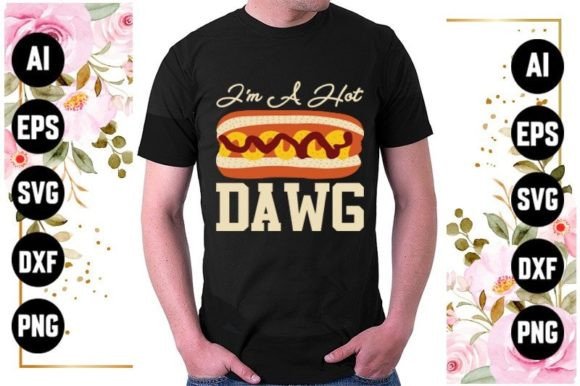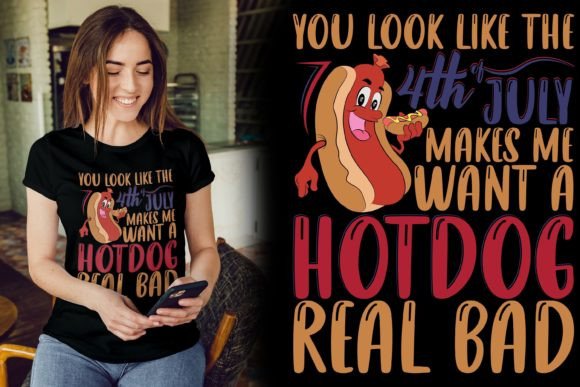
4th of July Hot Dog Real Bad T-Shirt Review
I have spent years reviewing digital assets for the embroidery community, and I know that a machine embroidery design is only as good as its performance in real-world stitching. Today, I am putting the 4th of July Hot Dog Real Bad T-Shirt through its paces. This is not just another generic holiday graphic; it is a digital download intended to bring a specific sense of humor and festive flair to your craft business or personal projects. As an experienced designer, my goal here is to give you practical insight into how this piece will behave under the needle, where it shines, and where you might need to exercise caution.
The First Impression: Mood and Visual Personality
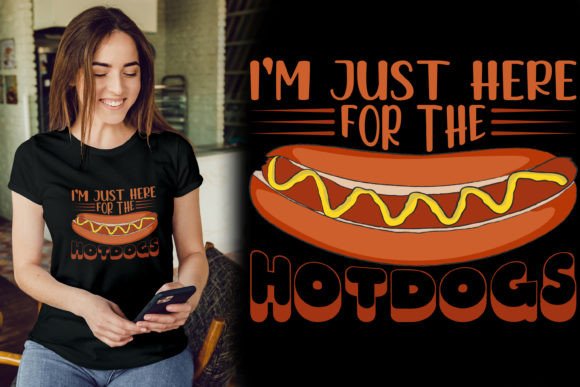
When I first loaded the file for the 4th of July Hot Dog Real Bad T-Shirt, the immediate reaction was one of playful nostalgia. The theme is undeniably summery, capturing the chaotic joy of a backyard barbecue with a touch of irreverence. Unlike stiff, corporate holiday designs, this asset feels like something a friend would gift you at a cookout. The visual personality suggests a design that relies on bold shapes and clear lines, which is crucial for embroidery where fine details can sometimes get lost in thread.
The layout appears balanced for a chest placement or a centered back print. It creates a mood that is casual, approachable, and fun. For the embroidery designer, this means it has high potential for custom apparel and personalized gifts. It is not trying to be high fashion; it is trying to be a conversation starter. When looking at the design as a graphic before converting it to stitches, the negative space seems well-utilized, which usually translates to better stitch density and less puckering once digitized.
Real-Life Scenario: From Digital File to Finished Product
To truly understand the value of this embroidery file, let's imagine a real scenario. You are preparing inventory for a local summer craft fair. You want to create a line of boutique products that scream "American Summer" without being cliché. You decide to use the 4th of July Hot Dog Real Bad T-Shirt design on a set of canvas tote bags and lightweight sweatshirts.
In this context, the design transforms from a simple image into a tangible product. On a sturdy canvas tote, the bold outlines would likely pop beautifully, creating a durable tote bag design that customers can carry to the beach or farmers market. However, if you were to apply this same design to a baby onesie, the scale and the "bad" attitude of the hot dog might need careful consideration. Would parents find it funny, or too edgy? That is the kind of judgment call you make when selecting design assets for your shop.
I also envision this working exceptionally well as a small embroidered patch attached to a denim jacket or a baseball cap. The thematic connection to grilling season makes it perfect for kitchen towel sets or aprons sold as gift bundles. In these applications, the design adds immediate value to the handmade product. A plain white apron becomes a specialty item the moment this motif is stitched onto it. The humor elevates the perceived quality of the finished item, making it feel more thoughtful and less mass-produced.
Performance Under the Needle
How does the 4th of July Hot Dog Real Bad T-Shirt actually perform during the stitching process? While I cannot see the exact digitization code without the source file, typical designs of this nature rely heavily on satin stitch for outlines and borders to ensure crisp edges. If the design includes fill areas for the hot dog bun or the flag elements, we must look at the stitch density.
If the density is too high, the fabric may pucker, especially on thinner materials like cotton t-shirts or jersey. If it is too low, the underlying fabric might show through, ruining the clean look required for professional commercial embroidery. For a design meant to be humorous, a slightly looser, textured look can sometimes work in its favor, but consistency is key. The running stitch details, if present, should be short enough to prevent fraying but long enough to maintain flexibility.
When testing this on different fabrics, the contrast between the thread colors and the background is paramount. On dark fabrics, you will need a higher thread count or a lighter thread palette to ensure the design stands out. Conversely, on light fabrics, the design needs enough depth so it doesn't wash out. This is why checking thread colors against your specific fabric texture is a non-negotiable step before running a production batch.
Where to Use It Carefully
Not every surface is suitable for every design. The 4th of July Hot Dog Real Bad T-Shirt might struggle in certain scenarios. If you attempt to stitch this on a very small hoop size, such as on a pair of socks or a tiny baby bootie, the intricate details could become muddy. The curves of the hot dog and any text involved require a minimum area to breathe.
Stretchy fabrics like polyester blends or thin knits are also risky. Without proper stabilizer support, the tension of the stitches can distort the garment, turning a cute design into a wavy mess. Similarly, textured fabrics like heavy wool or boucle can hide the definition of the stitches, making the design look flat and indistinct. Curved surfaces like caps require a specialized hoop setup; if the design is not optimized for curvature, the top and bottom of the hot dog might stretch differently, leading to a warped appearance.
Finally, consider the durability. If this design is intended for items that will undergo frequent washing, such as kitchen towels or work aprons, the stitch type matters. Heavy satin stitch can wear down faster than fill stitch over time. Always inspect the design for weak points where threads might snag or pull loose after multiple cycles in the washer.
Impact on Brand and Customer Trust
For the Etsy seller or small shop owner, the quality of the embroidery directly impacts customer trust. A poorly executed design can make even the best idea look amateurish. The 4th of July Hot Dog Real Bad T-Shirt has the potential to boost brand consistency if applied correctly. It signals that you understand the current trends and can deliver products with a distinct personality.
However, if the design looks pixelated in your printable mockup or fails to stitch cleanly, it damages your reputation instantly. Customers buy handmade goods expecting perfection. A design that looks great on a screen but falls apart under the needle can lead to returns and negative reviews. Therefore, treating this digital embroidery file with the same respect as a physical pattern is essential.
Practical Designer Notes for Success
Before you commit to using the 4th of July Hot Dog Real Bad T-Shirt in a commercial project, follow these steps to ensure success:
- Test on Scrap Fabric: Never run a full production batch without a test run. Stitch the design on a scrap of the actual fabric you intend to use to check for puckering and alignment.
- Check Thread Contrast: Ensure your chosen thread colors provide enough contrast against the fabric. A red-on-red design might look subtle, but it could disappear entirely depending on the lighting.
- Review Stitch Density: Look closely at the dense areas. If they look too thick, consider adjusting the settings or choosing a different stabilizer to support the weight of the thread.
- Confirm Hoop Size: Verify that your machine's hoop can accommodate the design dimensions. If the design is larger than your standard hoop, you may need to re-digitize or split the file.
- Inspect Small Details: Zoom in on the digital preview. Are there tiny letters or thin lines that might break during stitching? These often need to be thickened or removed.
- Test in Black and White: Convert your mockups to grayscale to see if the design holds up without color cues. This helps identify clarity issues early.
- Use Proper Stabilizer: Match the stabilizer to the fabric weight. Heavy cut-away stabilizers are often needed for stretchy garments, while tear-away works well for stable woven fabrics.
- Licensing Check: Confirm whether the license allows for commercial use. Many graphics are for personal use only. Selling finished items made with this design requires explicit permission.
The 4th of July Hot Dog Real Bad T-Shirt is a versatile asset with a strong personality. Whether you are creating holiday embroidery for a family reunion or building a line of craft business merchandise, this design offers a unique angle. By approaching it with technical diligence and creative foresight, you can turn a simple digital download into a standout finished product that delights your customers.